


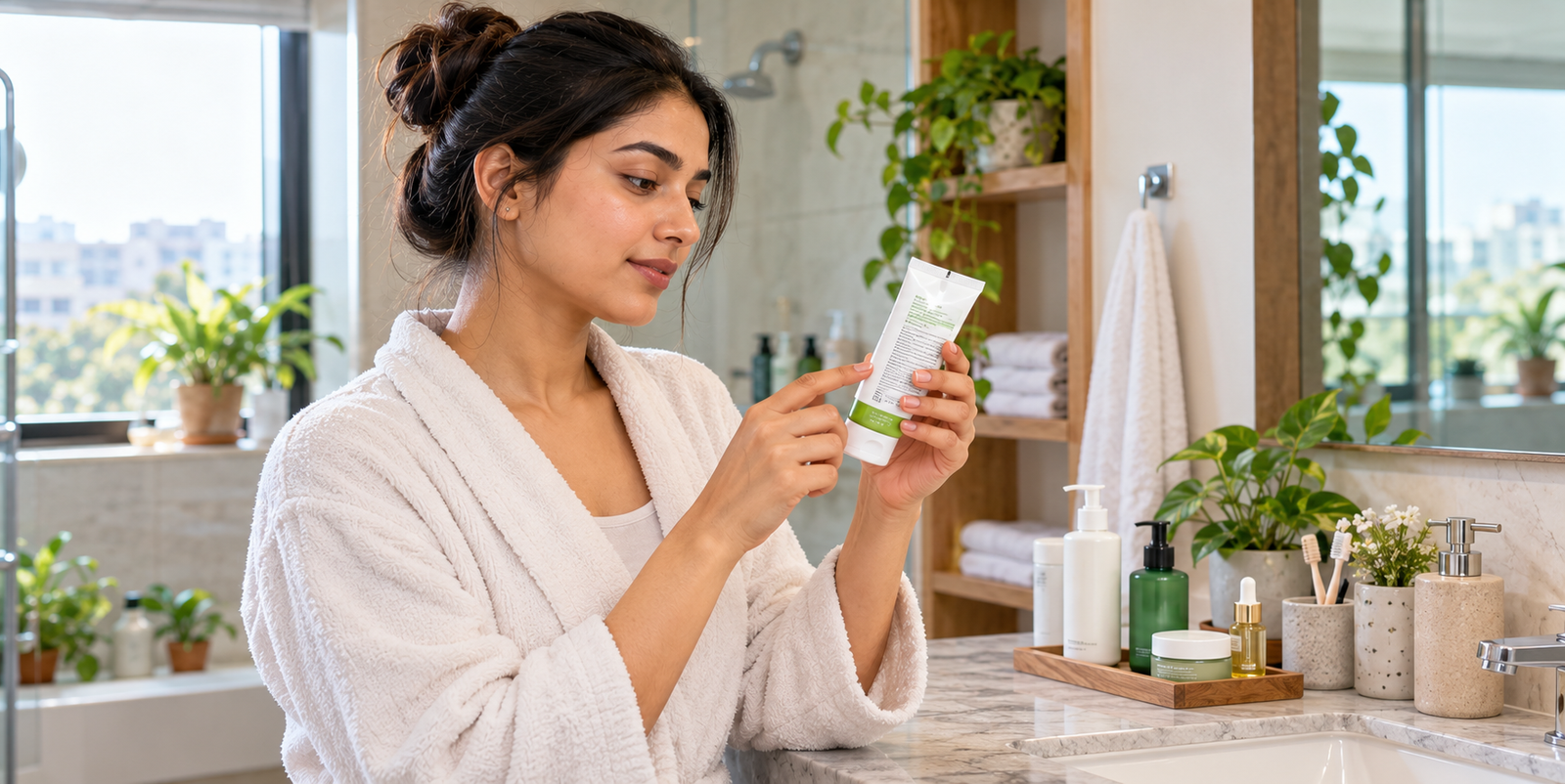
Antifungal face wash can mean different things depending on the product and the skin problem. Some washes contain a medicinal antifungal ingredient, while others are gentle cleansers marketed as fungal-acne-safe. Knowing the difference matters before you buy or use one.
What Is an Antifungal Face Wash?
An antifungal face wash is a cleanser intended to help manage a fungal or yeast-related skin problem. For Malassezia folliculitis, medical references describe topical options such as ketoconazole, selenium sulfide and econazole. The right treatment depends on the diagnosis and product directions.
“Antifungal” and “fungal-acne-safe” are also different claims. A fungal-acne-safe cleanser is generally selected because its ingredients meet a particular screening approach. It is not automatically a treatment for an active fungal condition.
Antifungal Face Wash for Fungal Acne
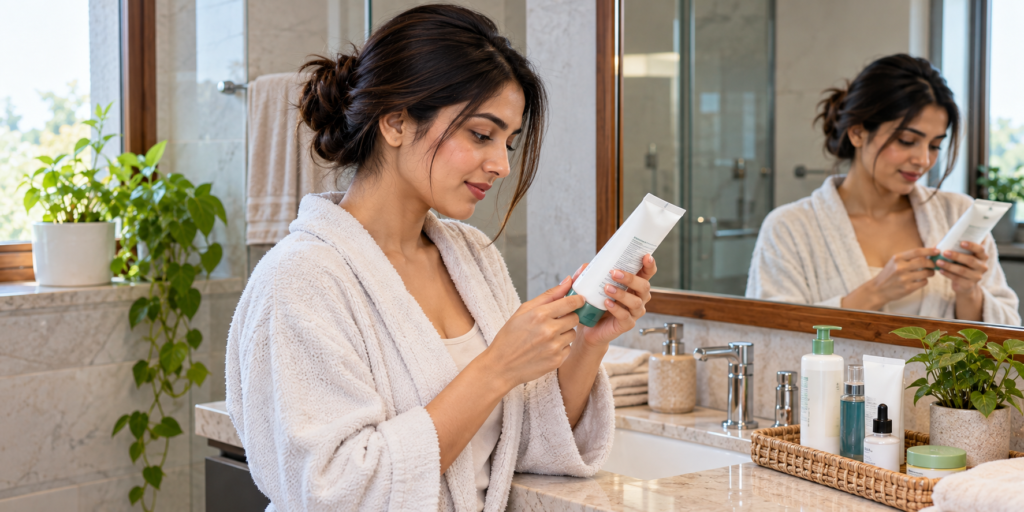
Fungal acne is more accurately called Malassezia folliculitis. It can look like acne and often causes many small, similar-looking, itchy bumps. Regular acne can include blackheads and whiteheads as well as inflamed spots. Since several conditions can look alike, appearance alone cannot confirm the cause.
| Option | Main role | What to check |
|---|---|---|
| Medicated antifungal wash | Targets a yeast-related condition | Named active, directions, suitability |
| Fungal-acne-safe cleanser | Daily cleansing | Full ingredient list and tolerance |
| Standard acne wash | Acne-focused cleansing | Ingredients such as salicylic acid; not automatically antifungal |
This is why the product label matters more than a single marketing phrase.
Which Ingredients Matter?
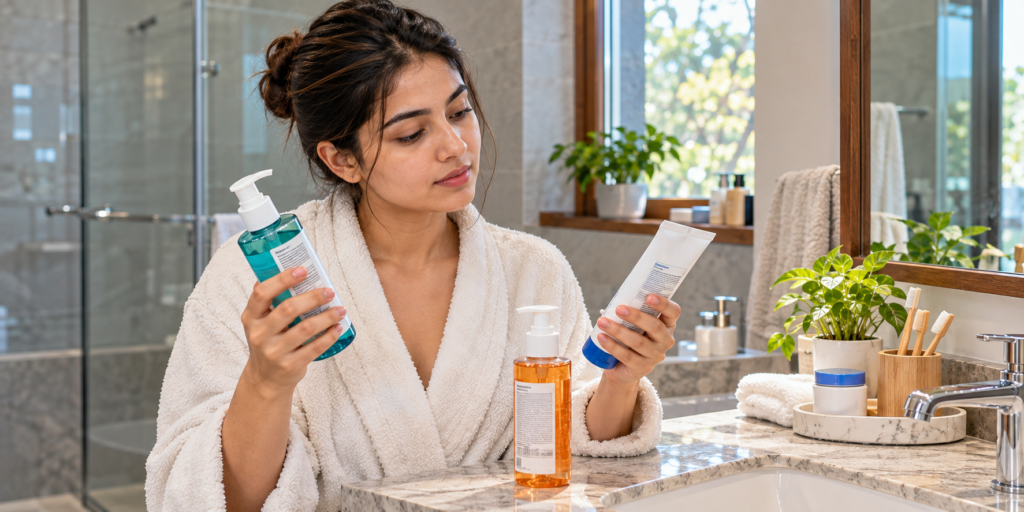
For Malassezia folliculitis, clinical sources list ketoconazole, selenium sulfide and econazole among topical treatment options. These are different from ordinary cleansing or acne-support ingredients.
Salicylic acid may help with clogged pores and acne-related oil or scaling, while niacinamide is commonly used for skin-barrier and oil-control support. They should not automatically be described as substitutes for an antifungal treatment.
How to Choose an Antifungal Face Wash
Before comparing products, check five things:
- Active ingredient: Is a named antifungal actually listed?
- Intended use: Does the product’s label match your skin concern?
- Skin tolerance: Fragrance, strong cleansing agents or other ingredients may irritate sensitive skin.
- Directions: Follow the stated frequency and contact time.
- Value: Compare pack size, current price and availability.
India Product Check
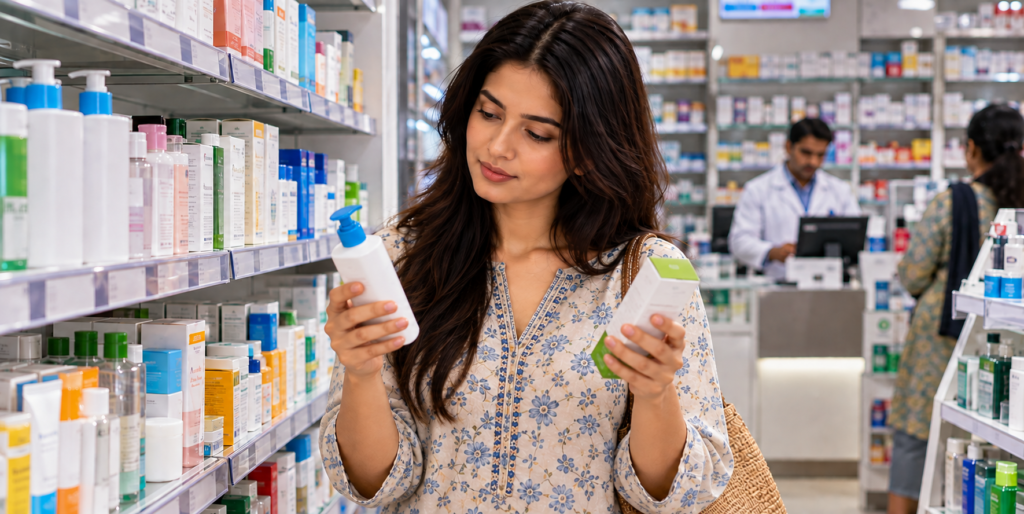
Current Indian pharmacy listings show why this approach is useful. Apollo lists Xerofung Antifungal Wash 120 ml with ketoconazole 2% at ₹531. PharmEasy lists Acneguard Gold Foaming Face Wash 150 ml at ₹403.75 and describes it as antiseptic and antifungal, but its displayed ingredient list includes salicylic acid and botanical extracts rather than a named antifungal drug. Prices and stock can change, so check the current label before buying.
How to Use It Safely
More product is not better. Use the amount, frequency and contact time stated on the product label or recommended by a healthcare professional. Medicated antifungal products may cause dryness or irritation.
Avoid combining several strong acne treatments simply to speed things up. A simple routine with gentle cleansing and suitable moisturising can be easier to tolerate while you identify the cause.
Antifungal Treatment vs Fungal-Acne-Safe Cleanser
These products can have different jobs. An antifungal treatment is selected for a suspected or confirmed fungal cause. A fungal-acne-safe cleanser is mainly a routine cleanser chosen to avoid ingredients someone may prefer to exclude.
So the buying order should be simple: first work out whether treatment is actually needed, then choose a cleanser that fits your skin and routine.

When to See a Dermatologist
See a dermatologist when bumps are persistent, repeatedly returning, spreading, painful, unusually inflamed, or not improving with reasonable care. Malassezia folliculitis can resemble other forms of folliculitis and acne, so persistent symptoms may require clinical assessment.
Conclusion
The right antifungal face wash is not simply the one with the strongest claim on the bottle. Start by considering the likely condition, then check the active ingredient, directions, skin tolerance and current value. Remember that a fungal-acne-safe cleanser is not automatically an antifungal treatment. When symptoms persist or the diagnosis is uncertain, professional advice is the safer next step.
Yes. Ketoconazole is one of the topical antifungal options used for Malassezia folliculitis. A particular product still needs to be suitable for facial use according to its label or professional advice.
Some medical guidance discusses selenium sulfide or antifungal shampoos for Malassezia folliculitis, but facial use can irritate skin and may be outside the product’s labeled use. Follow product or professional guidance.
Check the named active ingredient, intended use, directions, full ingredient list, skin tolerance, pack size, current price and availability. Do not rely only on “antifungal” or “fungal-acne-safe” wording.
